
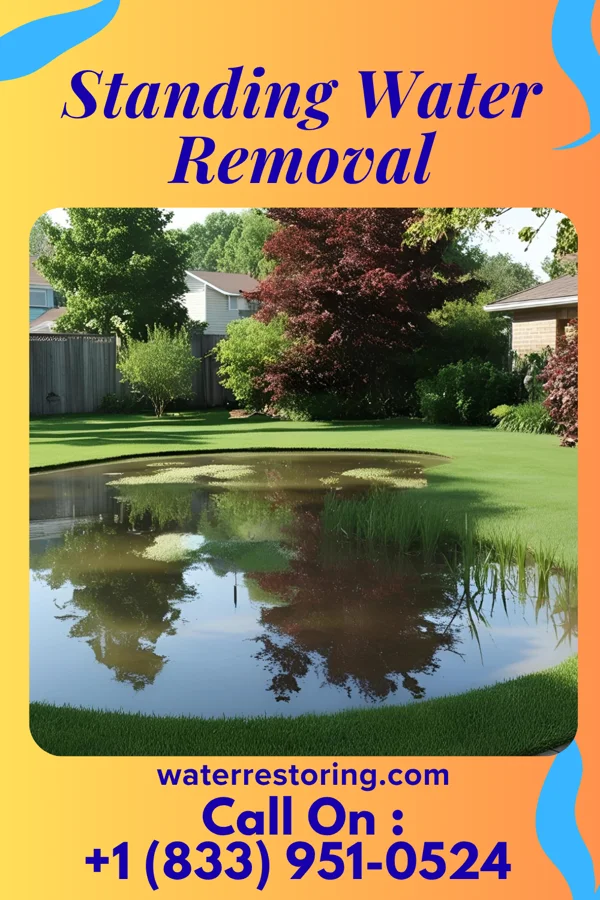
Fullerton Standing Water Drivers
Water damage in Fullerton tends to cluster in predictable windows because of the local climate. In Fullerton, Pennsylvania, the primary water damage cause is often related to residential plumbing failures, such as burst pipes and leaking appliances, particularly during colder months when frozen pipes are common. Additionally, nearby areas like Catasauqua and Hokendauqua contribute to localized flooding risks due to their proximity to the Lehigh River. A close second is Secondary causes include roof leaks from heavy rainfall, especially during spring and summer storms, and groundwater seepage into basements of older homes in the suburban areas of North Catasauqua. Sudden water accumulation from nearby creeks or drainage issues can also impact local properties..
Fullerton experiences a humid continental climate with cold winters and warm summers, increasing the likelihood of frozen pipes and condensation issues. The region is also prone to heavy precipitation events, which can lead to localized flooding and water intrusion in homes.
Fullerton experiences a humid continental climate with cold winters and warm summers, increasing the likelihood of frozen pipes and condensation issues. The region is also prone to heavy precipitation events, which can lead to localized flooding and water intrusion in homes. The dominant local driver is In Fullerton, Pennsylvania, the primary water damage cause is often related to residential plumbing failures, such as burst pipes and leaking appliances, particularly during colder months when frozen pipes are common. Additionally, nearby areas like Catasauqua and Hokendauqua contribute to localized flooding risks due to their proximity to the Lehigh River., with Secondary causes include roof leaks from heavy rainfall, especially during spring and summer storms, and groundwater seepage into basements of older homes in the suburban areas of North Catasauqua. Sudden water accumulation from nearby creeks or drainage issues can also impact local properties. showing up as the next most common cause. Damage builds in stages. Spread. Absorption. Microbial growth. Structural compromise. Every stage you pass through adds to the final bill.
For public guidance on the health effects of mold after prolonged water exposure, see the EPA mold and health page.